Role of Precision Printing Technologies in Modern Packaging Solutions
May 27, 2026
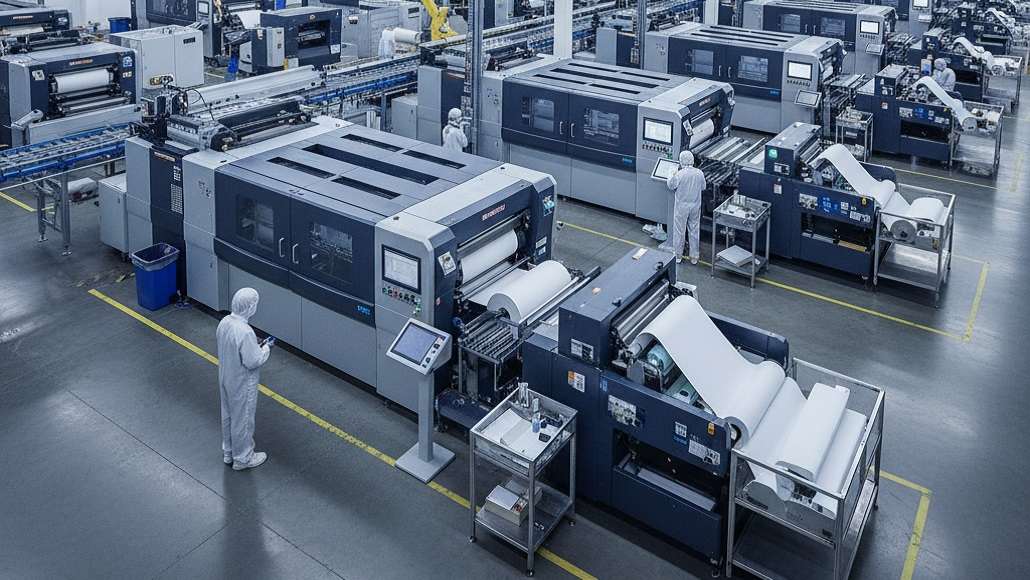
Packaging plays an important role in product protection, branding, and communication across industries. Modern printing technologies help improve packaging durability, visual quality, and overall performance during storage and transportation. Among the materials supporting these advancements, label printing ink helps maintain print precision, color consistency, and long-term packaging reliability. Advanced material engineering also improves adhesion, environmental resistance, and production efficiency in modern packaging systems.
Importance of Precision Printing in Packaging
Precision printing technologies have transformed modern packaging by improving the quality and consistency of printed materials. High-performance printing systems allow manufacturers to maintain accurate color distribution, detailed graphics, and durable print layers on various packaging surfaces. These technologies are widely used in industries such as food processing, pharmaceuticals, consumer goods, electronics, and industrial manufacturing, where packaging quality directly affects product presentation and customer confidence.
Advanced printing systems also help companies maintain brand consistency across large-scale production operations. Accurate printing technologies reduce visual defects, improve labeling clarity, and ensure packaging information remains readable under different environmental conditions.
Material Innovation in Printing Technologies
The performance of packaging systems depends heavily on the quality of printing materials and advanced ink formulations. Material innovation has introduced specialized additives and engineered compounds that improve print stability, durability, and operational efficiency. These developments have expanded the functionality of industrial printing systems while supporting higher production standards across modern packaging applications.
Enhanced Print Durability
Packaging materials are frequently exposed to moisture, temperature fluctuations, friction, and handling stress throughout supply chains. Advanced printing technologies improve the durability of printed surfaces by creating stronger bonding between ink layers and packaging materials. Durable printing systems help maintain visual quality and product information even under demanding transportation and storage conditions.
Improved Adhesion Performance
Modern packaging applications require printing materials that adhere effectively to surfaces such as plastic films, flexible packaging, metal containers, and coated paper products. Advanced ink formulations improve adhesion strength and reduce issues such as peeling, fading, or smudging. Improved bonding performance also supports higher production efficiency by reducing printing inconsistencies during large manufacturing operations. These advancements help packaging systems maintain both visual quality and structural reliability over extended periods.
Support for Smart Packaging Systems
The packaging industry is increasingly integrating digital and smart technologies into packaging solutions to improve tracking, security, and supply chain management. In many advanced applications, carbon conductive ink supports the development of printed sensors, electronic labels, and interactive packaging technologies. These conductive materials help manufacturers create packaging systems capable of supporting electronic communication, monitoring functions, and product authentication. Smart packaging technologies, therefore, improve operational visibility and strengthen supply chain efficiency across industries.
Better Color Consistency
Precision printing technologies maintain uniform color distribution across different packaging materials and production batches. Improved color consistency reduces visual variations and strengthens overall product presentation in competitive retail environments. Advanced printing systems also allow manufacturers to achieve detailed graphics and high-resolution printing while maintaining production efficiency.
Improved Production Efficiency
Modern printing systems are designed to support high-speed industrial production without compromising packaging quality. Advanced printing equipment reduces material waste, improves print accuracy, and increases operational reliability during manufacturing processes. These systems also help manufacturers optimize production timelines while maintaining consistent packaging performance across large-scale operations.
Role of Packaging Performance in Industrial Applications
Packaging performance directly influences product protection, operational efficiency, and consumer experience across industrial sectors. High-quality printing systems improve the readability and durability of product labels, safety instructions, and brand graphics while supporting long-term packaging reliability. Industries such as pharmaceuticals, electronics, automotive components, and food manufacturing rely on precision printing technologies to maintain packaging functionality under challenging environmental conditions.
In several industrial applications, advanced label printing ink formulations improve resistance to moisture, abrasion, and temperature exposure while preserving print clarity and adhesion. These technologies help packaging systems maintain consistent performance during transportation, warehousing, and retail display processes. Strong packaging performance also supports regulatory compliance by ensuring that product details and safety information remain visible and accurate throughout the product lifecycle.
Advancements in Sustainable Packaging Technologies
Sustainability has become an important focus in the packaging industry as manufacturers aim to reduce environmental impact while maintaining product performance and production efficiency. Modern printing technologies support sustainable packaging initiatives by improving resource utilization, reducing material waste, and enabling environmentally responsible manufacturing processes. Advanced material engineering is also helping industries develop packaging systems that balance durability with recyclability and long-term sustainability goals.
- Reduced Material Waste
Precision printing systems improve production accuracy and reduce unnecessary material consumption during packaging operations. Efficient print management minimizes errors and lowers waste generation across manufacturing processes. - Improved Energy Efficiency
Advanced printing technologies operate with improved energy performance while maintaining high production output. Lower energy consumption supports sustainable industrial operations and reduces manufacturing costs over time. - Environmentally Responsible Ink Development
Manufacturers are developing advanced formulations with lower emissions and improved environmental compatibility. These sustainable printing materials maintain durability while supporting cleaner production practices across industries. - Enhanced Recycling Compatibility
Packaging systems designed with modern printing technologies are easier to recycle and process after use. Improved compatibility between packaging materials and print layers supports circular economy initiatives in manufacturing industries. - Long-Term Packaging Reliability
Durable printing systems improve the lifespan of packaging materials by maintaining print quality during transportation and storage. Long-lasting packaging performance reduces replacement needs and improves overall resource efficiency.
Conclusion
Precision printing technologies continue to strengthen modern packaging systems by improving print durability, visual consistency, operational efficiency, and product protection across industrial sectors. Through advancements in printing materials and engineered ink formulations, manufacturers can create packaging solutions that maintain performance under demanding environmental and operational conditions. These innovations are supporting the growth of efficient, reliable, and sustainable packaging systems across global industries.
Within this evolving industrial landscape, companies specializing in carbon material innovation continue to support advancements in packaging and printing technologies. Among them, Birla Carbon contributes significantly through high-performance material solutions designed for industrial applications. As one of the recognized contributors alongside other top carbon black producers, the company continues to support packaging innovation, material performance, and sustainable manufacturing practices through advanced carbon-based technologies that strengthen modern industrial systems.