Understanding ISA Contributions, Growth and Investment Returns in the UK
September 15, 2026
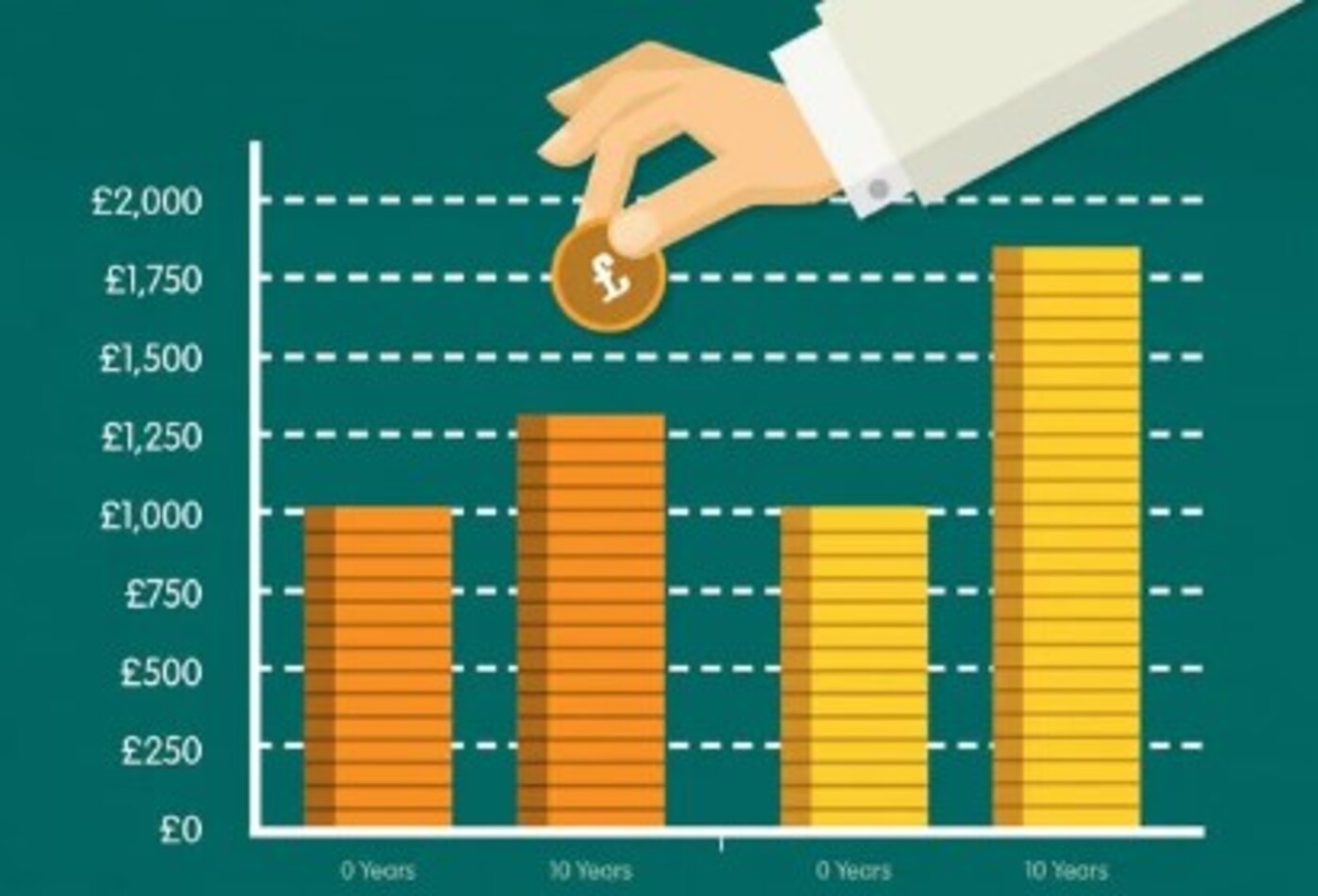
For many people in the UK, saving money is no longer simply about putting something aside for a rainy day. With the cost of living, changing interest rates and long-term financial goals all competing for attention, where and how you save can make a meaningful difference. Individual Savings Accounts, better known as ISAs, remain one of the most established ways to build savings or investments while benefiting from tax advantages.
Understanding how ISA contributions work, how money can grow inside an account, and what investment returns might look like can make the process feel considerably less complicated. Whether you are saving for a first home, building long-term wealth or simply making better use of your annual allowance, having a clear picture of the mechanics can help you make more informed financial decisions.
How ISA Contributions Work
An ISA allows eligible UK residents to save or invest without paying UK tax on interest, dividends or capital gains generated within the account, subject to the rules applying to the particular ISA and current legislation. The annual ISA allowance sets the maximum amount an individual can contribute across their ISAs during a tax year. The allowance is shared across ISA types, so understanding how contributions are divided is important when using more than one account.
There are several types of ISA, including Cash ISAs, Stocks and Shares ISAs, Lifetime ISAs and Innovative Finance ISAs. Each serves a different purpose and comes with its own eligibility requirements and restrictions. A Cash ISA may appeal to someone prioritising accessibility and certainty, while a Stocks and Shares ISA is designed for people willing to accept investment risk in pursuit of potential long-term growth. The right choice depends on factors such as financial goals, time horizon and attitude towards risk.
One useful principle is to think about contributions as part of a wider financial plan rather than as a race to use the entire allowance. Someone with a short-term goal may reasonably prioritise accessible cash savings, whereas someone investing for several decades may have greater capacity to tolerate market fluctuations. Contributions can also be made gradually rather than as a single annual payment, which can make saving easier to incorporate into a household budget.
Understanding Growth Inside an ISA
Growth within an ISA depends largely on what the money is held in. Cash savings typically earn interest according to the account’s terms, while investments may rise or fall according to the performance of the underlying assets. This distinction matters because an ISA itself does not create investment returns; rather, it provides a tax-efficient wrapper around eligible savings or investments.
For invested ISAs, compound growth is one of the most important concepts to understand. When returns are reinvested, future growth can potentially be generated on both the original contributions and earlier gains. Over a long period, even relatively modest returns can therefore have a substantial cumulative effect. However, compounding works in both directions with investments, and market values can decline as well as increase.
Time is consequently an important consideration. Short-term market movements can be unpredictable, which is why investment professionals and major financial institutions generally emphasise matching investments with an appropriate time horizon and risk tolerance. Someone who may need the money within a few years has less opportunity to wait for markets to recover after a downturn than someone investing for retirement several decades away.
Estimating Potential Investment Returns
It is natural to wonder how much an ISA could eventually be worth. The answer depends on several variables, including the starting balance, regular contributions, investment returns, fees and the length of time the money remains invested. Rather than focusing on a single predicted outcome, savers can benefit from considering several possible scenarios.
An ISA savings calculator can be useful for illustrating how different contribution levels, time periods and assumed rates of growth could affect a potential future balance. These calculations are not guarantees and should never be treated as precise forecasts, particularly when investments are involved. Instead, they can provide a practical way to understand how consistent contributions and long-term compounding interact.
For example, someone considering whether to contribute a fixed amount each month can compare the potential effect of maintaining that contribution over five, ten, or twenty years. Increasing monthly contributions can have a meaningful impact over time, while delaying contributions can reduce the period available for potential compounding. Looking at different assumptions can therefore encourage realistic planning rather than relying on an optimistic return estimate.
Conclusion
ISAs can play an important role in a UK savings and investment strategy because they combine flexibility with valuable tax advantages. The real benefit, however, comes from understanding what happens beyond the account itself: how contributions accumulate, how different assets generate returns, how compound growth can influence long-term outcomes and how investment risk affects those possibilities.
Rather than trying to predict exactly what an ISA will be worth in the future, it is more productive to build a strategy around realistic assumptions and consistent behaviour. By understanding the relationship between contributions, time, growth and risk, savers can approach their financial goals with greater clarity and confidence. A well-considered ISA is not simply a place to hold money; it can be one component of a broader, purposeful plan for building financial resilience and long-term wealth.